
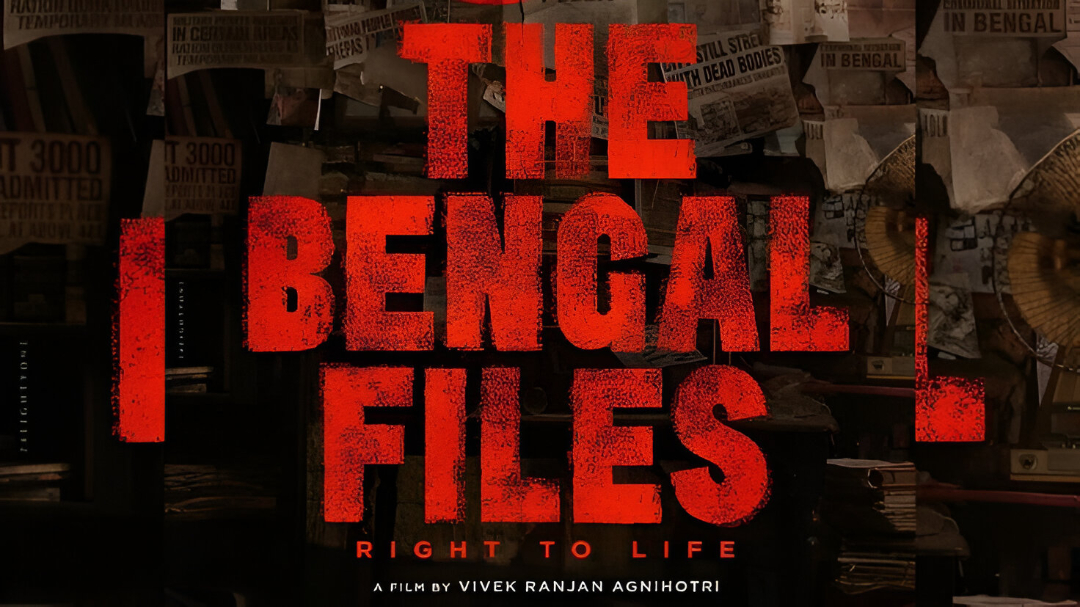
When a filmmaker chooses to confront history, politics inevitably enters the frame. Few Indian filmmakers embody this truth as strongly as Vivek Agnihotri. Over the past few years, Agnihotri has built a reputation for telling stories that others would rather not touch. After The Tashkent Files and The Kashmir Files, he is now ready with the third film in his trilogy, The Bengal Files. But the journey towards its release has already hit political turbulence.
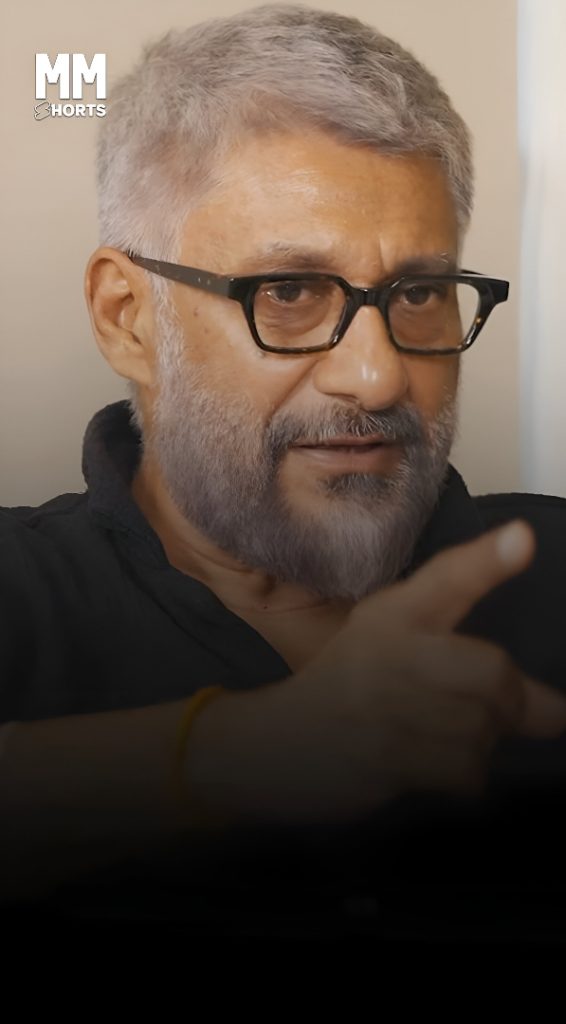
Just days before the film’s scheduled release on September 5, Agnihotri released a video message addressed directly to West Bengal Chief Minister Mamata Banerjee. His tone was calm, his words carefully chosen, but the weight of his appeal was unmistakable. With folded hands, he requested, “Please don’t ban this film. Please don’t suppress an important part of history before the next generation.”
This wasn’t just a plea for his movie; it was a filmmaker’s appeal to democracy itself.
The Politics of Pressure
According to reports, theater owners in West Bengal are being discouraged—some say threatened—from screening The Bengal Files. Agnihotri, however, refuses to budge. He has made it clear that cinema, at its core, must remain a medium of truth, not a tool of political convenience.
In his message, he reminded Mamata Banerjee of her oath to uphold the Indian Constitution, particularly the right to free speech. “You have taken an oath on the Indian Constitution to protect the rights of every citizen, the right of free speech. It is your responsibility to see to it that the film does not face any disruption. Please consider the fact that the CBFC has cleared this film,” he said.
The question he leaves behind is simple yet sharp: if a democratically elected government cannot ensure the peaceful release of a film, then what exactly is it afraid of?
Can History Be Buried?
One of the strongest parts of Agnihotri’s message is his insistence that history must not be buried, no matter how uncomfortable it is. Anticipating the argument that the film may reopen old wounds, he countered with an example: “If a Japanese child should know about the Hiroshima and Nagasaki holocausts, why not make the new generation aware of Bengal’s and India’s history?”
This comparison stings. Across the world, societies teach their children about the darkest chapters of their past, not to glorify them but to ensure they are not repeated. Why then should Bengal, a land with such a rich legacy of literature, sacrifice, and reform, shy away from confronting its painful history?
Agnihotri’s conviction was unshakable: “A true Bengali will not ban the movie. This film cannot be banned in Bengal.”
The Question of Selective Outrage
Perhaps the most provocative part of Agnihotri’s video was his question on selective outrage. He pointed out that global cinema often deals with stories of persecution, whether of Muslims, Christians, or Dalits, without hesitation. Yet, when it comes to Hindu suffering, silence prevails.
“Why should we keep Hindu genocide under wraps? Why should we wish to keep lies alive?” he asked.
These are not easy questions. They strike at the heart of cultural and political narratives that have shaped public memory for decades. Whether or not one agrees with his construction, Agnihotri makes us wonder: are there some tragedies less deserving of remembrance than others?
A Trilogy That Refuses Silence
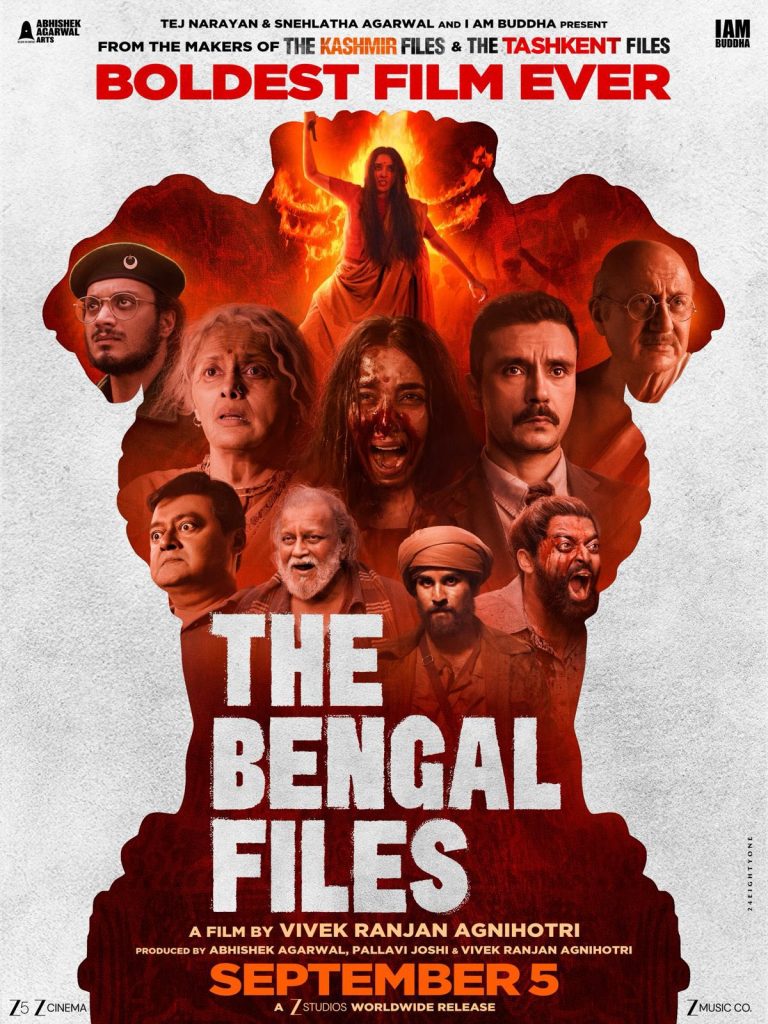
Bengal Files is not a solo project. It is the third out of a trilogy that started with The Tashkent Files, which delved into the suspicious death of Lal Bahadur Shastri, and followed with The Kashmir Files, a chilling examination of the exodus of Kashmiri Pandits. Both films triggered hot debates, criticism, and also widespread public backing.
Now, with The Bengal Files, Agnihotri is venturing deeper into the uncomfortable recesses of Indian history. The film has a strong cast that includes Mithun Chakraborty, Anupam Kher, Pallavi Joshi, Saswata Chatterjee, and Darshan Kumarr. But beyond celebrity power, what is interesting about this movie is its unwillingness to stay quiet.
In choosing stories that mainstream cinema often avoids, Agnihotri is not just a director but a memory stirrer. He wants to talk, even fight, because silence is the real enemy for him.
Why This Fight Matters
At its essence, the war over The Bengal Files is greater than the destiny of one film. It is to determine if the arts in India will be free to speak their minds, even when they disturb the powers that be.
Mamata Banerjee’s government faces a choice: uphold democratic values by letting the film run its course, or confirm the accusation that it fears truth more than lies.
Cinema has always been more than entertainment. It is a mirror, a record, and sometimes even a weapon. Agnihotri’s video makes one thing clear: he is not willing to lay down that weapon.
As the release date nears, one can only wonder whether Bengal, with its deep cultural pride, will choose to banish its own story or face it with the courage that its history deserves.