
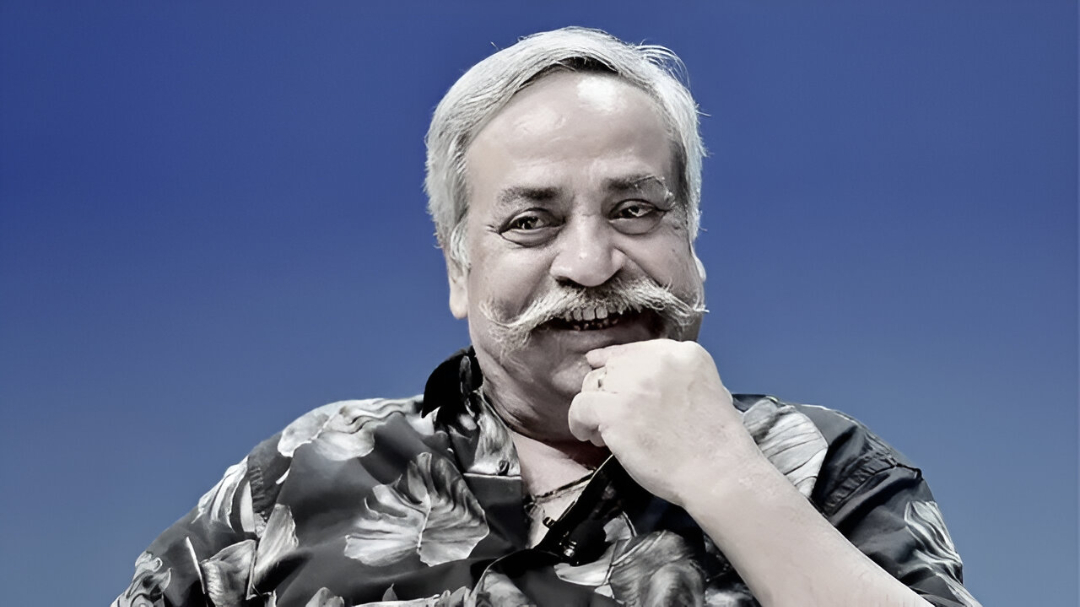
India has lost one of its greatest creative minds. Piyush Pandey, the man who shaped the storytelling style of Indian advertising for over four decades and gave the country some of its most loved campaigns, passed away on Friday at the age of 70. He had been suffering from an infection and, according to family sources, his last rites will be held at Shivaji Park in Mumbai.
For many, Piyush Pandey was more than just an adman. He was a cultural voice. His advertising transcended selling brands – it reached people, shared simple stories, celebrated the mundane life, and entered India’s collective social memory. From Fevicol’s “Mazboot jod” advertisements to Cadbury’s happy “Kuch Khaas Hai” moment, he created feelings that outlived the commercial long after it disappeared off television screens.
A Creative Journey That Started with Everyday Words

Born in 1954 in Jaipur, Piyush Pandey never received an education in advertising. He studied history at St. Stephen’s College in Delhi and even played cricket at the Ranji Trophy level. But his love for storytelling eventually led him to advertising.
He joined Ogilvy (then called Ogilvy & Mather) in 1982—not as a writer, but in the account management department. It was only six years later that he moved into the creative team. From there began a revolution in Indian advertising. He wrote his first advertisement for Sunlight Detergent and soon found his voice—rooted deeply in Indian culture, language, and people.
Unlike most ads in the 80s that borrowed Western styles, Piyush believed advertising must speak the language of its audience. It should feel familiar, emotional, and honest. He once said:
“Advertising is not about English or Hindi. It is about the language of the heart.”
The Mind Behind Iconic Brands
His work reshaped how brands communicated. Under his leadership, Ogilvy India produced unforgettable campaigns, many of which are still remembered today:
• Fevicol – The Fevicol ads became a part of pop culture. Whether it was a crowded bus stuck together or a village wedding bench refusing to break, these ads turned a simple adhesive into a national symbol of strength.
• Cadbury – The now legendary “Kuch Khaas Hai” campaign changed how India looked at chocolate. It was no longer just for children. Cadbury became an emotion for all ages.
• Asian Paints – The emotive “Har Ghar Kuch Kehta Hai” campaign gave the paint brand a human voice by focusing on families rather than walls.
• Luna Moped – With the tagline “Chal Meri Luna,” the campaign placed scooters within middle-class India’s reach and understanding.
• Fortune Oil – The simple, emotional family-centric campaign helped to make the brand gain a strong presence in Indian kitchens.
Under Piyush Pandey, Ogilvy India was ranked the No. 1 agency for 12 consecutive years by The Economic Times’ Agency Reckoner. He eventually became the Chief Creative Officer Worldwide and Executive Chairman India at Ogilvy—the highest creative position in the agency.
Awards, Honours, and Beyond Advertising
Piyush Pandey was honoured with the Padma Shri in 2016, one of India’s highest civilian awards, for his contribution to literature and education through advertising. He also won dozens of international advertising awards, including Cannes Lions.
But his creativity was not limited to advertising. He co-wrote the screenplay of Bhopal Express, a film based on the Bhopal gas tragedy. He wrote lyrics for one of India’s most iconic national integration songs, “Mile Sur Mera Tumhara”, which united India through music. He also made a brief acting appearance in the film Madras Café starring John Abraham, as well as in ICICI Bank’s Magic Pencil Project videos.
Tributes from Across India
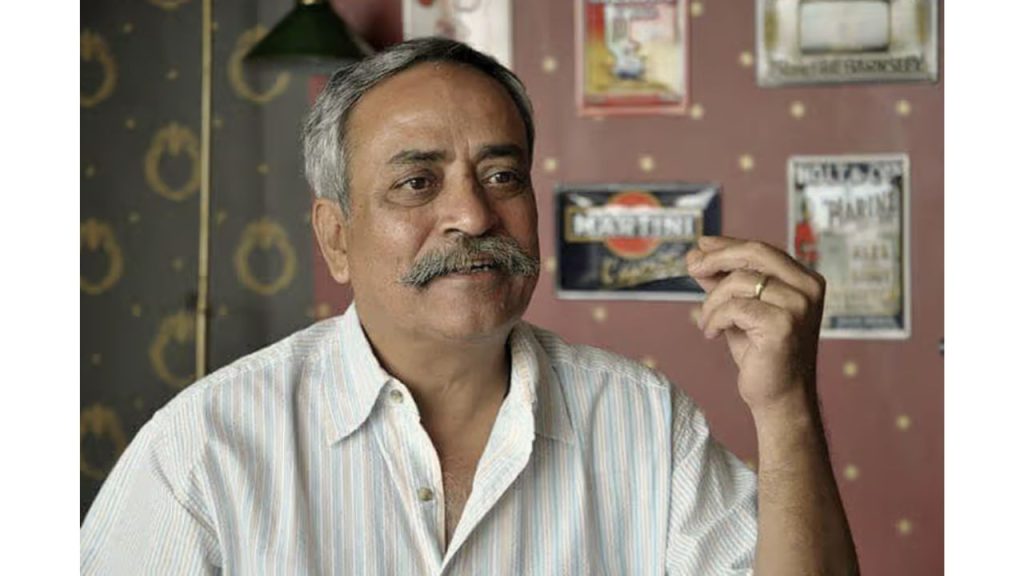
The news of his passing led to an outpouring of tributes from leaders in business, advertising, and politics.
Union Finance Minister Nirmala Sitharaman wrote:
“A titan and legend of Indian advertising, he transformed communication by bringing everyday idioms, earthy humour, and genuine warmth into it. His legacy will continue to inspire generations.”
Uday Kotak, founder of Kotak Mahindra Bank, remembered working with him:
“He launched Kotak Mahindra Bank with a campaign in 2003, describing banking as ‘common sense’. An amazing out-of-the-box thinker and a humble person. He weaved creativity with an Indian context.”
Author and columnist Suhel Seth wrote:
“India has not lost just a great advertising mind but a true patriot and a fine gentleman. Now the heavens will dance to Mile Sur Mera Tumhara.”
A Legacy That Lives On
Piyush Pandey believed advertising should never fool people. It must speak the truth, uphold values, and remain rooted in everyday life. That philosophy enabled him not only to be a successful career professional but also to become a force to be reckoned with in Indian culture.
He once stated:
The moment you begin to learn from individuals, from street slang, from chai stalls, you stop being creative.
From panchayat to metros, from cricket grounds to boardrooms, his words and thoughts resonated with all. He provided brands with a soul and emotion and made communication human.
Piyush Pandey didn’t just create ads—he created memories. His work will continue to inspire young writers, filmmakers, and storytellers. His legacy lives on in every line that makes people smile, think, or feel.